In-Game Purchases Explained: Why Gamers Spend on Microtransactions
In-game purchases are no longer a side mechanic in digital entertainment. They are the economic engine of modern gaming.
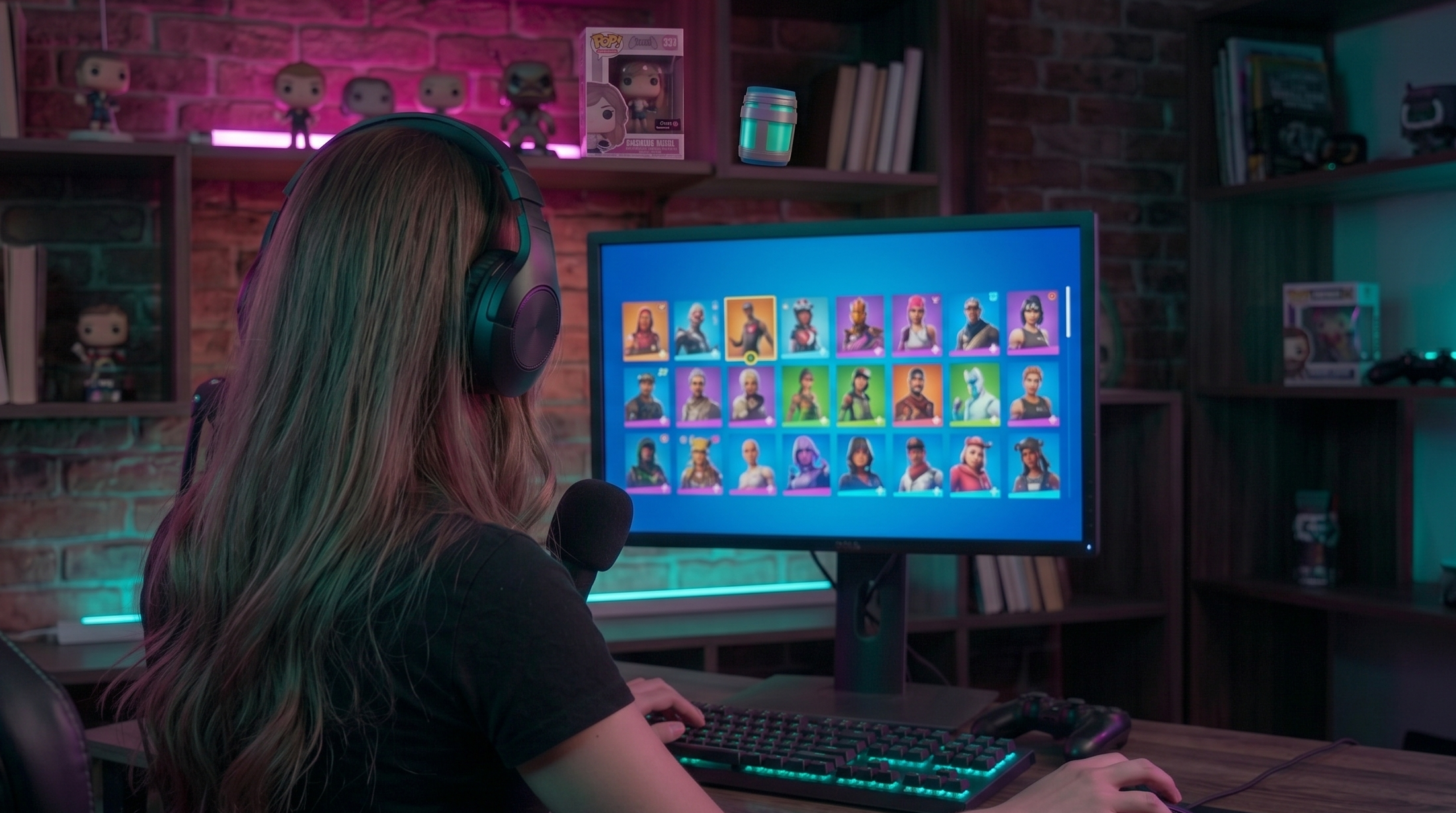
From skins in Fortnite to player packs in FIFA Ultimate Team, microtransactions in games have transformed how developers monetize and how players engage. What started as optional cosmetic upgrades has evolved into a complex ecosystem of psychological, social, and competitive drivers.
For brands and marketers entering gaming environments, understanding how in game purchases work – and why gamers willingly spend on digital items – is critical.
What Are In-Game Purchases?
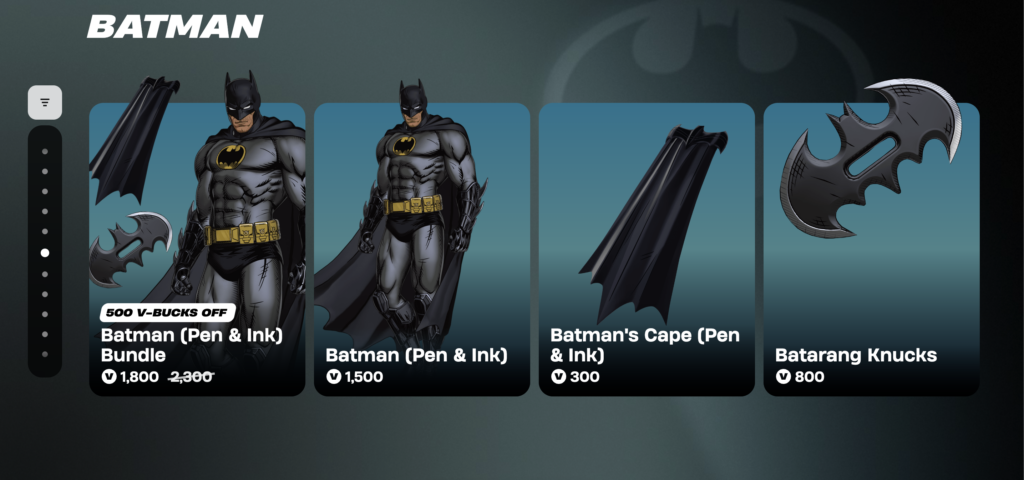
In-game purchases, often referred to as microtransactions in games, are small digital payments that allow players to buy virtual goods within a game environment.
According to Wikipedia’s definition of microtransactions, the model enables users to purchase virtual goods via micropayments, most commonly in free-to-play titles, but also in console and PC games. These purchases may include cosmetic items, gameplay advantages, currencies, or randomized rewards such as loot boxes).
In practice, in game purchases typically include:
- Skins and cosmetic upgrades
- Battle passes
- Virtual currency
- Character upgrades
- Loot boxes
- Expansion content
As outlined in G2A’s 2025 glossary overview of microtransactions in gaming, this model allows developers to offer games at low or zero upfront cost while generating revenue through optional upgrades and personalization (G2A, What Are Microtransactions in Gaming, 2025).
The model shifted gaming from a one-time transaction to a continuous revenue system.
The Shift from Premium to Free-to-Play
The rise of in game purchases is directly tied to the growth of the free-to-play (F2P) model.
Research published in Information & Management (2025) highlights that free-to-play games accounted for 78% of global gaming revenue in 2021 and are projected to reach 95% by 2025. The profitability of F2P depends almost entirely on in-game microtransactions and virtual content sales (Hussain et al., 2025).
This marks a structural shift:
- Instead of charging $60 upfront
- Developers remove entry barriers
- Revenue is generated through voluntary in-game purchases
The logic is simple: scale the player base first, monetize engagement second.
For brands, this means gaming audiences are massive – but monetization happens inside the ecosystem, not at the point of entry.
Types of Microtransactions in Games
Not all microtransactions in games function the same way. Broadly, they fall into two categories:
1. Cosmetic Purchases
These include skins, emotes, character customization, and visual upgrades. They do not affect gameplay performance but signal identity and status.
Fortnite is a leading example. Players can purchase V-Bucks to buy skins and battle passes that unlock exclusive cosmetics without impacting competitive balance (G2A, 2025).
2. Functional or Pay-to-Win Purchases
These provide gameplay advantages such as stronger equipment, faster progression, or competitive boosts.
Wikipedia notes that the term “pay-to-win” is often used when purchases provide advantages unavailable through free play, raising fairness concerns.
For marketers, the distinction matters: cosmetic ecosystems are often socially driven, while performance-based purchases are motivation-driven.
Why Gamers Spend: The Psychology Behind In-Game Purchases
Understanding in game purchases requires understanding motivation.
The 2025 study on In-Game Content Purchase Motivations (IGCPMs) published in Information & Management identifies three core psychological drivers behind microtransactions in games:
- Autonomy
- Competence
- Relatedness
These dimensions stem from self-determination theory and explain why players purchase digital content (Hussain et al., 2025).
Let’s break this down.
Autonomy: Control, Creativity, and Identity
Players spend on in game purchases to express individuality.
The study identifies three autonomy-related sub-drivers:
- Creativity (imagination, customization)
- Choice (freedom of options)
- Uniqueness (distinctiveness from others)
Buying skins, character outfits, or exclusive cosmetics allows players to shape their in-game identity. In multiplayer environments, appearance becomes a social signal.
Cosmetic microtransactions in games thrive because they support identity expression without breaking competitive fairness.
Competence: Mastery, Achievement, and Dominance

Another powerful motivator behind in game purchases is competence.
Players seek:
- Achievement (badges, progression)
- Skillfulness (enhanced capabilities)
- Dominance (competitive advantage)
The Information & Management study confirms that competence-related motivations significantly increase purchase intention (β = 0.700; p < 0.01).
When purchases help players progress faster or perform better, spending becomes instrumental rather than decorative.
This is particularly visible in competitive titles and sports simulations.
Relatedness: Social Belonging and Community
Gaming is not a solitary activity anymore.
The research highlights two relatedness drivers:
- Social interaction
- Social affiliation
Microtransactions in games often enhance group belonging – from matching skins in MMORPG guilds to battle pass cosmetics that signal community status.
Importantly, the study also finds that purchase motivations positively influence word-of-mouth and player recruitment (Hussain et al., 2025).
In other words:
Spending does not only affect revenue. It strengthens social propagation.
The Economics of Microtransactions
From a business perspective, in game purchases are extraordinarily efficient.
While individual payments are small, cumulative revenue is substantial. Wikipedia documents how companies like Activision Blizzard generate billions annually through microtransactions across major franchises.
The economics work because:
- Entry is frictionless
- Payments are incremental
- Engagement is recurring
- Emotional drivers are embedded
Unlike one-time purchases, microtransactions scale with player lifetime value.
Controversies and Regulation
Despite their profitability, microtransactions in games remain controversial.
Loot boxes – randomized purchase systems – have been compared to gambling mechanics. According to Wikipedia, Belgium and the Netherlands have imposed regulatory restrictions on certain loot box models.
The ethical debate typically centers around:
- Randomized rewards
- Underage spending
- Transparency of drop rates
- “Pay-to-win” advantages
For brands integrating into gaming environments, alignment with player sentiment and fair-play mechanics is crucial.
What In-Game Purchases Mean for Brands
For marketers, in game purchases signal something deeper than monetization.
They reveal:
- High engagement intensity
- Emotional investment
- Identity formation inside digital worlds
- Community-driven economies
When players willingly spend real money on digital cosmetics, they demonstrate that virtual environments carry real-world value.
Brands entering gaming ecosystems should understand that:
- Status matters
- Identity matters
- Community matters
- Authentic integration matters
Monetization mechanics show where attention concentrates. And attention is the most valuable currency in digital culture.
Conclusion: Microtransactions Are Behavioral Infrastructure
In game purchases are not just revenue tools. They are behavioral infrastructure shaping how players interact, compete, and belong. Microtransactions in games work because they tap into autonomy, competence, and relatedness – the same psychological drivers that shape offline consumer behavior.
For brands, the strategic takeaway is clear:
Gaming monetization models reveal how deeply players invest in virtual identity and community. Any brand activation inside gaming must respect those dynamics – not disrupt them. Understanding in game purchases is not about understanding payments. It is about understanding digital belonging.