For BrandsMarketing28.09.2026
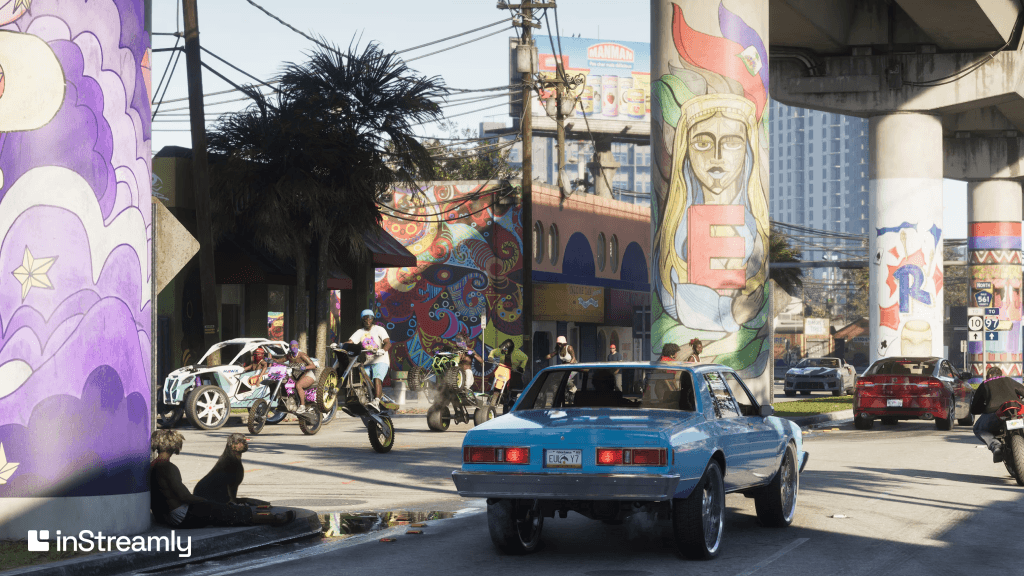
Maintain your brand safety during GTA VI launch – and why your brand shouldn’t skip it
Sony’s own PlayStation marketing materials disclosed it before Rockstar’s official rating went live: GTA VI carries an ESRB Mature 17+ classification, with content descriptors covering blood and gore, intense violence, nudity, strong sexual content, strong language, and drug and alcohol use. For a brand manager weighing whether to show up around the biggest gaming launch of 2026, that rating is a real constraint. It is not, on its own, a reason to sit the moment out.
The instinct to avoid anything near an M-rated title is understandable and often wrong. It treats an entire cultural event as a single undifferentiated risk, when the actual risk sits in specific moments, not the whole three-month launch window. Understanding that difference is what separates brands that miss gaming’s biggest moment of the year from brands that show up in it safely.
What does GTA VI’s rating actually confirm?
Sony’s PlayStation marketing newsletter disclosed the ESRB Mature 17+ rating in May 2026, ahead of the game’s own official listing going live on ESRB’s database. Reported content descriptors include blood and gore, intense violence, nudity, strong sexual content, strong language, and use of drugs and alcohol.
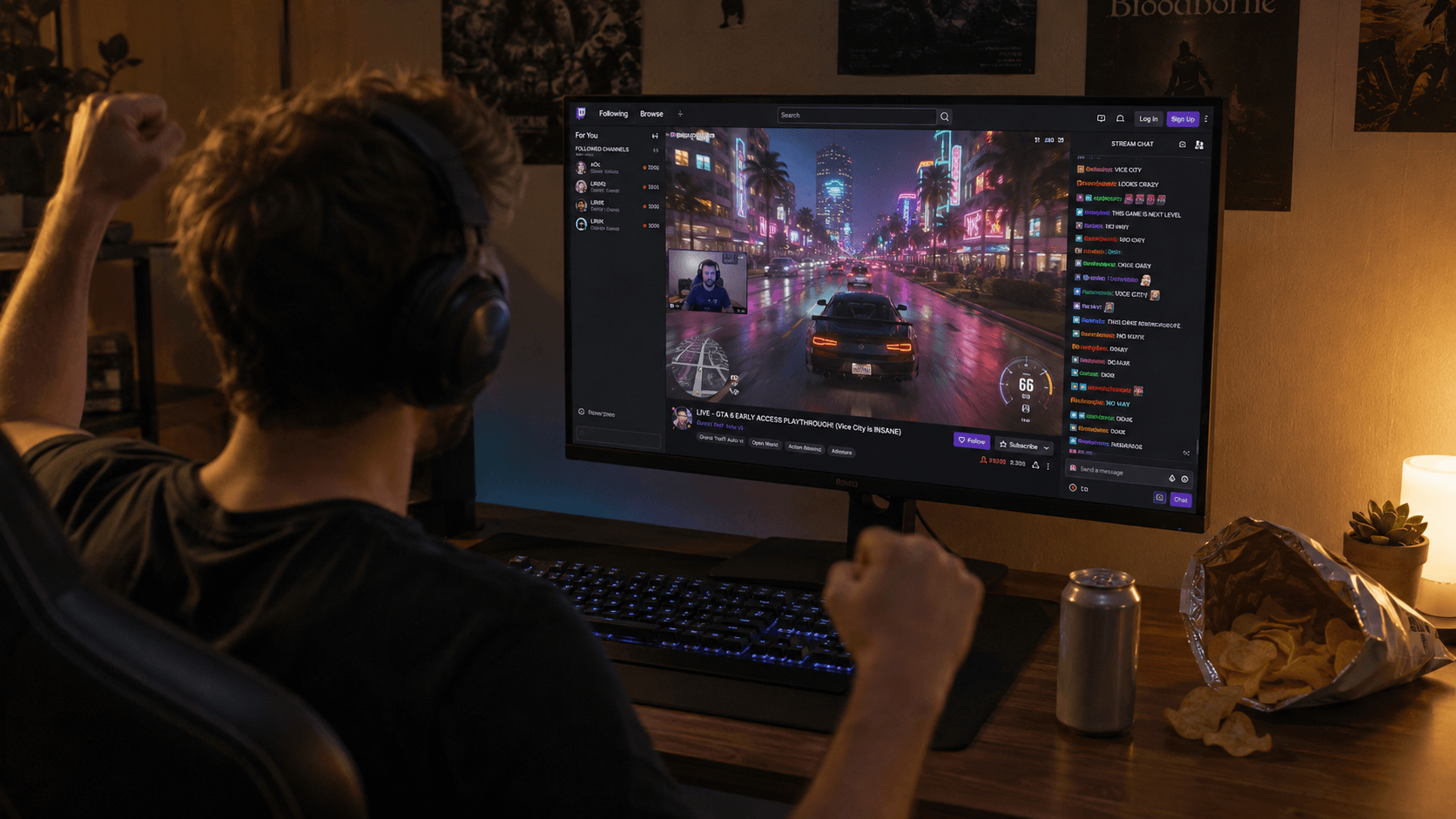
None of this is a surprise. Every mainline Grand Theft Auto title since GTA III has carried the same classification. This is series precedent, not a departure that should change how anyone plans around the launch. What matters for a media buyer is not that the rating exists, it is understanding exactly what it does and doesn’t tell you about where the actual risk in a campaign sits.
Why “just avoid it” is the wrong instinct for a media buyer
GTA VI is already on track to be the largest livestreaming event gaming has produced. Its gameplay reveal alone drew 3.97 million peak viewers across livestreaming platforms, a figure that already exceeds the full launch-day peaks of recent premium titles like Cyberpunk 2077 and Elden Ring combined. Opting out of that moment entirely means opting out of the single biggest attention window of 2026 and into 2027.
The real question a brand manager needs to answer isn’t whether to be anywhere near this moment. It’s how to be near it in a way that respects both the audience and the rating. Blanket avoidance answers a question nobody needed answered. The harder, more useful question is about placement, not presence.
“Contextual near GTA VI content” isn’t one thing, and the risk lines prove it
This distinction is the one blanket avoidance policies routinely miss. Raw gameplay footage of GTA VI itself carries the M-rated content directly: the violence, the language, the drug references the ESRB descriptors point to. Streamer commentary, reaction content, pre-stream chat, and community discussion sit at a completely different layer entirely, adjacent to the game rather than inside it.

There is also a layer of restriction most brand safety conversations skip entirely: the livestreaming platforms themselves. Twitch’s own Community Guidelines prohibit real nudity and pornography outright, regardless of what a game’s rating allows, and require creators to apply content labels before streaming anything involving sexual themes, drug or intoxication content, or graphic violence, labels that pull that content out of general discovery and homepage recommendations, per Twitch’s Community Guidelines and reporting on how those guidelines are enforced in 2026. YouTube and Kick apply comparable rules. Whatever GTA VI’s rating technically permits inside the game itself, the version of that content a livestream audience can actually see has already been filtered once, by the platform, before a brand ever gets involved.
That filtering has a direct, practical consequence for how a brand should weigh different kinds of GTA VI presence. A placement built directly inside the game itself, a branded vehicle wrap or an in-world billboard, sits inside the raw content the ESRB rating describes, with no platform rule standing between the brand and that content. A contextual placement layered on top of a livestream instead sits on the other side of Twitch’s, YouTube’s, or Kick’s own content rules already. Brand safety for a stream-level activation is a structurally simpler problem than brand safety for an in-game placement inside a title this size, precisely because the platform has already done a first pass of the filtering.

Risk still concentrates around explicit gameplay moments and unmoderated chat activity even within that filtered environment. It drops considerably around pre-stream and post-stream commentary, reaction segments, and general community discussion. A blanket keyword or category block treats an entire GTA VI stream, hours of commentary and community moments included, as a single high-risk zone identical to its most explicit five minutes. That approach doesn’t eliminate risk so much as it eliminates the ability to tell risky moments apart from safe ones, which ends up costing reach without meaningfully reducing exposure.
How does AI-moderated placement solve what blanket avoidance can’t?
This is precisely the gap inStreamly’s Safety 2.0 layer is built to close, on top of the platform-level filtering described above. Rather than relying on static category blocklists that treat an entire title as one risk level, it applies multi-layer fraud and brand safety monitoring across streams in real time. Chat and Voice Intelligence adds real-time sentiment and safety context scoring on top of that, so a placement decision responds to what is actually happening in a given moment rather than only to which game happens to be on screen.
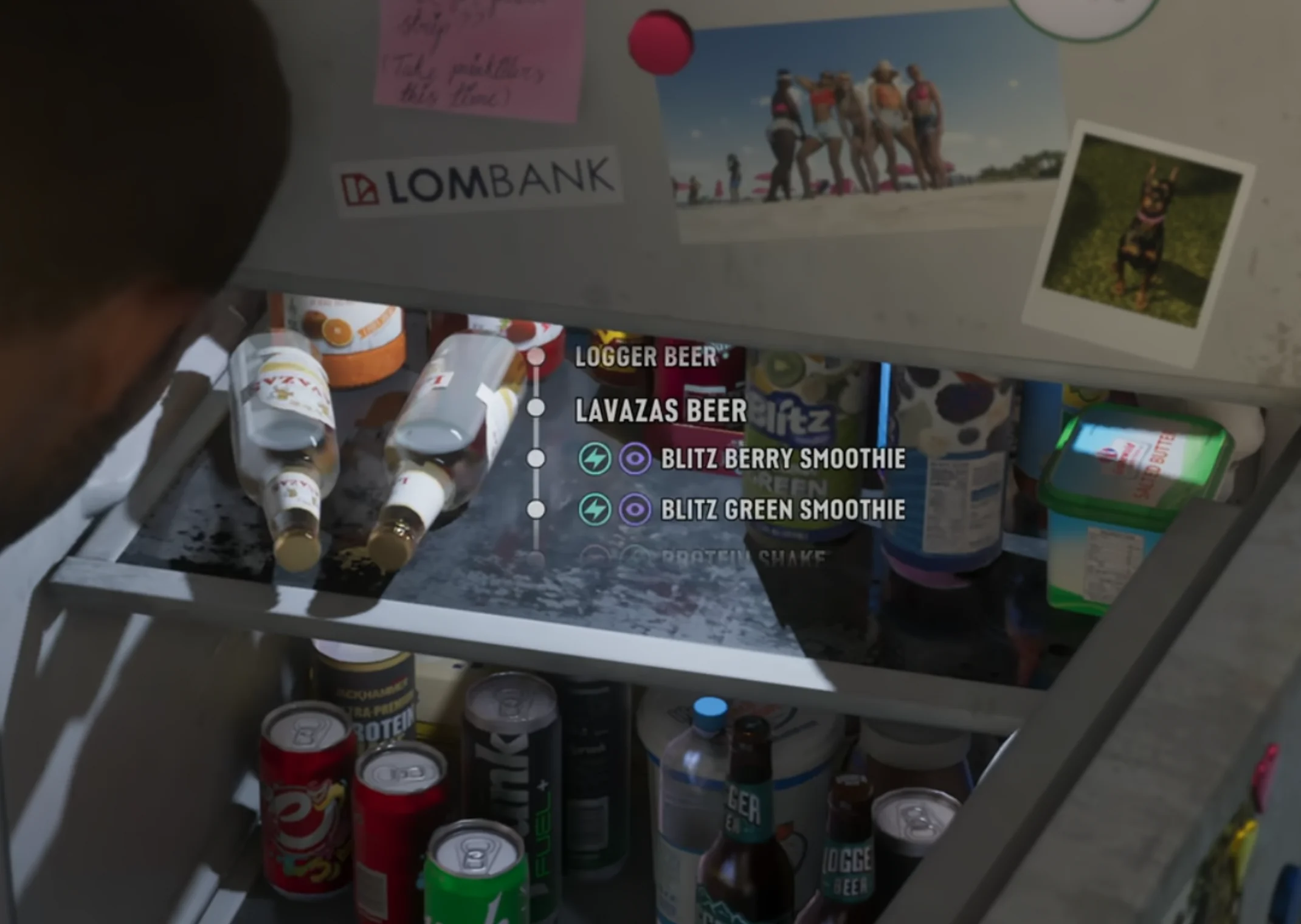
In practice, that monitoring includes:
- Continuous, real-time scanning for alcohol and tobacco references appearing on stream, not a one-time check before a campaign starts
- Behavior classification that flags streamer conduct falling outside campaign safety guidelines as it happens, rather than relying only on a pre-vetted creator list
- Automatic exclusion of flagged creators from a live campaign the moment their content trips a safety threshold, cutting off the placement rather than leaving it running
That distinction between moment-level risk and title-level risk is the entire point when a title itself carries an M rating but individual moments inside a multi-hour stream vary enormously. A brand safety approach built only around title-level blocking cannot make that distinction. One built around moment-level monitoring, running on top of a platform environment that has already filtered out the most explicit material, can.
This isn’t a theoretical capability. Danone’s Small Hunger campaign already demonstrated AI gameplay analysis working at 100% trigger precision inside Fortnite streams, proving that contextual timing at the individual moment level, not the broad category level, is achievable at real campaign scale, as documented in inStreamly’s Danone Small Hunger case study. The same underlying principle, precision at the moment rather than the category, applies directly to navigating an M-rated launch like GTA VI.
The trust case for showing up safely during a moment this large
Sitting out a cultural moment this size doesn’t remove risk from a brand’s media plan. It removes reach, while competitors willing to solve the actual risk problem keep that reach for themselves. A brand that shows up visibly and appropriately during GTA VI’s launch window, respecting both the moment and the audience, builds more credibility with a skeptical audience than a brand that simply disappears from gaming conversation for three months.

That trust case matters more for the platform’s broader brand safety approach than any single campaign. Contextual precision is what makes presence during a genuinely mature title possible without exposing a brand to the content the rating exists to flag in the first place.
What should brand managers ask their media partner before committing?
Before signing off on any GTA VI-adjacent placement, a brand manager should get clear answers to a short set of questions:
- Does the placement technology distinguish moment-level risk from title-level risk, or does it treat the entire game as one category?
- Is moderation happening in real time, responding to what’s actually on screen and in chat, or only through pre-approved category lists set weeks in advance?
- What does the fraud and bot-filtering layer look like for the click and engagement data the campaign will report on?
A media partner who can answer all three with specifics, not general reassurance, is one equipped to handle a launch this size responsibly.
Key takeaways
- GTA VI’s ESRB Mature 17+ rating, disclosed via Sony’s PlayStation marketing ahead of the official listing, is series precedent, not a surprise, and it names specific, identifiable risk descriptors rather than a vague warning.
- Livestreaming platforms already filter the most explicit content before it reaches an audience. Twitch prohibits real nudity and pornography outright and requires labels for sexual, drug, and violent content, which makes stream-level brand safety a simpler problem than in-game placement inside the raw content itself.
- inStreamly’s brand safety stack runs continuous, real-time scanning for alcohol and tobacco references, classifies streamer behavior against campaign guidelines as it happens, and automatically excludes flagged creators from a live campaign rather than relying on a one-time pre-vetting pass.
- Before committing budget, ask any media partner whether their technology operates at the moment level or only the title level. The answer determines whether a brand can show up safely at all.