For BrandsMarketing23.06.2026
Streamer Sponsorships: How Brands Partner with Live Streamers
A brand manager planning a gaming sponsorship usually starts with a name. The biggest streamer in the category, the one with millions of followers. It feels safe because it looks like reach. But the maths under that instinct is weaker than it appears. On Twitch, the average channel draws about 26 concurrent viewers, and the creators who pull tens of thousands at once sit at the very top of the platform. Paying for one of them buys a stadium: a large crowd that came for the player, not for the brand. The communities that actually carry brand trust are smaller, and there are thousands of them.
This guide breaks down how streamer sponsorships work, what each creator tier delivers, and how to decide between one large deal and many small ones. The short version is that for recall and affinity, hundreds of small creators usually beat a single headline name. The hard part is reaching them without drowning in coordination.
What a streamer sponsorship actually is
A streamer sponsorship is a direct deal where a brand pays a creator, in cash or product, to integrate branded content into their live broadcast. That integration can be a verbal shoutout, a branded overlay, a dedicated segment, or a live product trial on stream. This is different from Twitch’s native ad inventory. Native ads are pre-roll and mid-roll spots sold by the platform and served automatically. A sponsorship is negotiated with the creator, controlled by the creator, and delivered in their voice.
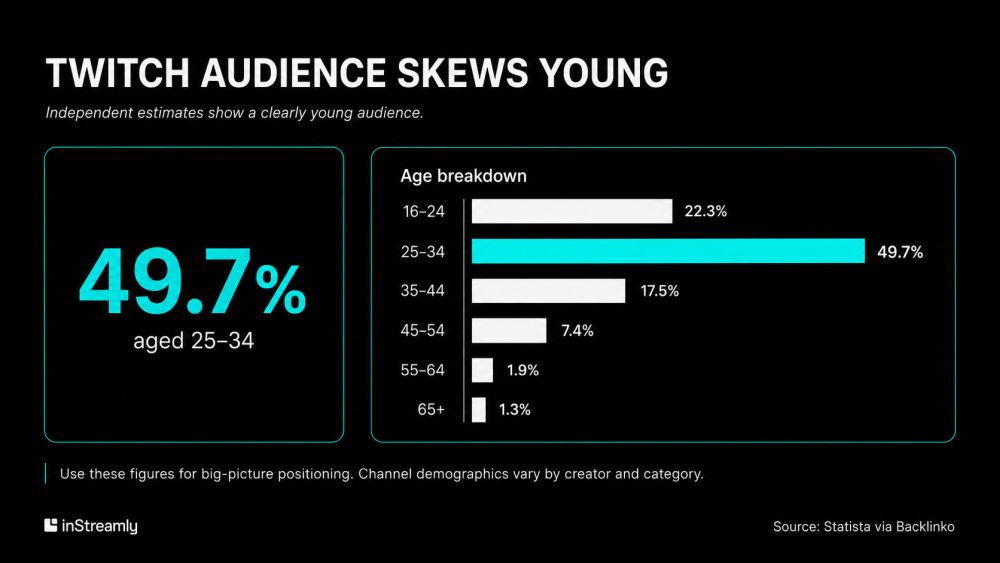
That distinction matters because of how viewers read it. According to our Live Streaming Trends 2025 report, 79% of Twitch viewers see in-stream brand integrations as support for the creator rather than as advertising, and 78.4% respond positively to messages that come through a creator they follow. The same research found 52.9% of viewers react positively to sponsorships, with no surveyed streamers reporting negative audience reactions to sponsorship integrations. A sponsorship is not an ad slot. It is a creator vouching for the brand in front of people who trust them.
Which streamer tier delivers what?
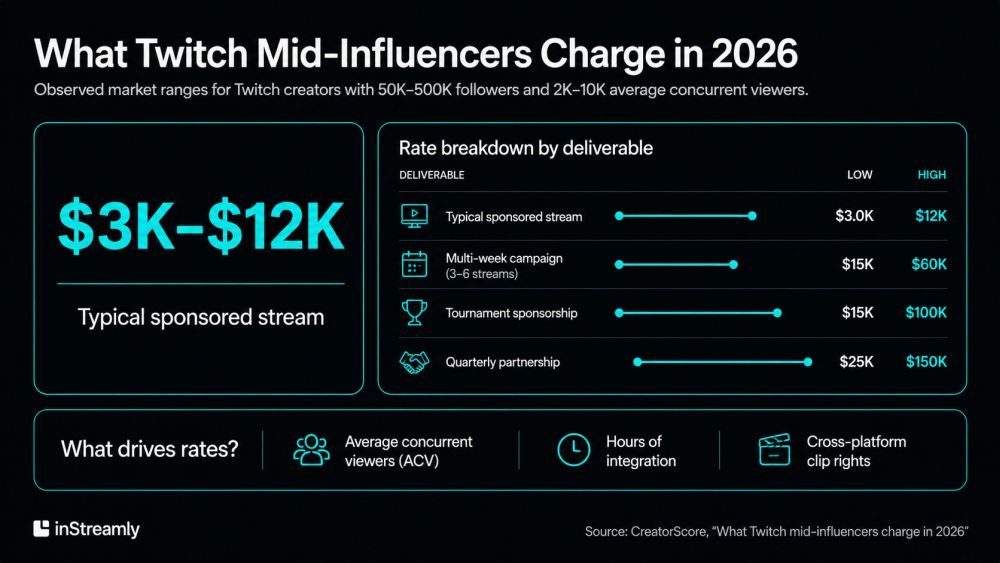
Each tier buys a different thing, and reach is the least useful way to compare them. Streamer tiers are usually defined by average concurrent viewers (ACV), with follower count as a rough secondary marker. Using standard 2026 creator tier benchmarks, the layers look like this:
- Mega (30,000+ ACV, 1M+ followers): broadcast-level reach, highest cost, lowest trust per viewer
- Macro (10,000–30,000 ACV, 500K–1M followers): still stadium scale, the audience came for the creator’s fame
- Mid (2,000–10,000 ACV, 50K–500K followers): reach plus a defined community identity
- Micro and the long tail (tens to roughly 2,000 ACV): smallest crowds, highest engagement density, deepest trust
The instinct to buy at the top conflates audience size with audience attention. A macro deal puts a logo in front of a large, loosely attached crowd. A spread of micro sponsorships puts it inside dozens of tight communities where the host’s word carries weight. For recall and affinity, the second pattern tends to win, and it reaches more distinct audiences.
Small communities are where brand affinity forms
Smaller streams build the kind of relationship that makes a sponsorship land. In a channel with a few hundred viewers, the streamer reads chat by name and recognises regulars. That closeness is what researchers call a parasocial bond. It means the audience treats the host’s recommendation the way they would a friend’s, not a billboard’s. When that creator features a brand, the brand is not interrupting the community. It becomes the company that helped fund a creator they care about.
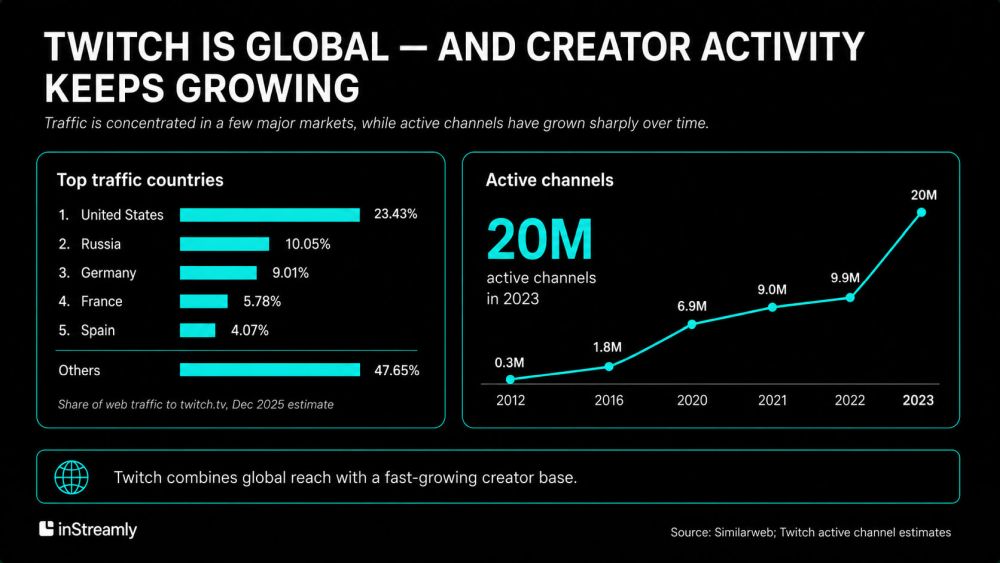
That perception is hard to manufacture at the top. A mega-streamer’s endorsement reads as a transaction because everyone knows it is one. A small creator’s reads as a choice. inStreamly’s own data supports the pattern, and the case for working with micro-streamers rests on engagement and trust that thin out as audiences grow. The catch is obvious. One micro-streamer is a rounding error on reach. The value only appears across a hundred of them at once, and that is where most brands hit a wall.
The coordination problem that breaks manual sponsorship
Manual sponsorship management stops working at around 10 to 15 creators. Each deal needs its own brief, contract, creative check, delivery window, and report. Doing that by hand for a dozen streamers is a full-time job, and doing it for several hundred is not possible without infrastructure. This is the real reason brands default to one big name. It is not that the big deal performs better. It is that it is easier to buy.
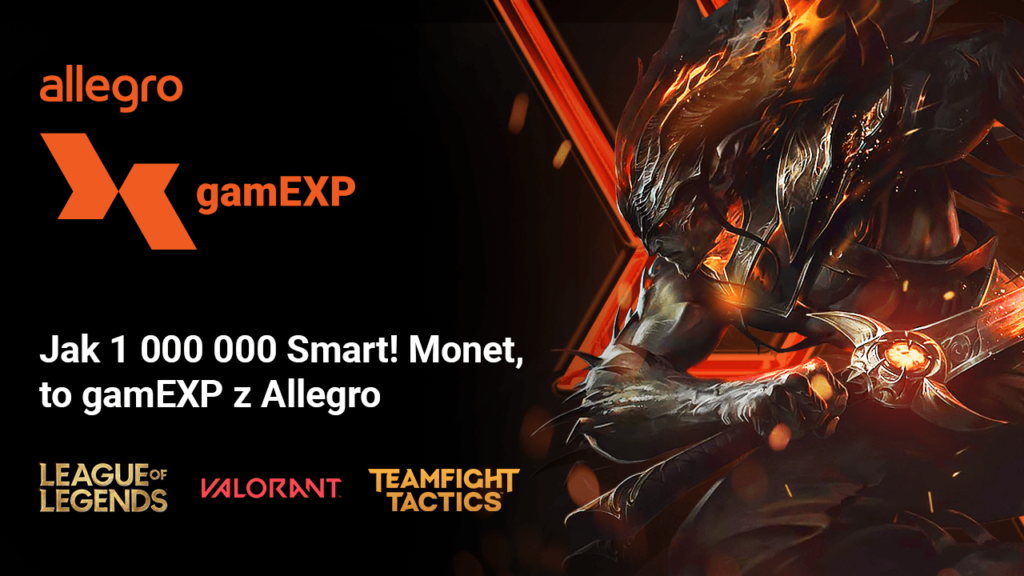
Platforms exist to remove that ceiling. inStreamly runs a network of more than 150,000 streamers across 15 countries, which turns “sponsor hundreds of small creators” into one managed campaign with unified briefing, delivery, and reporting. Scale that would break a manual process becomes routine, and a single SteelSeries activation ran across 2,045 streamers at once. Allegro’s gamEXP campaign reached Riot-adjacent communities through a reward mechanic the audiences welcomed rather than tolerated. Mlekpol’s Łaciate Protein+ tournament delivered 126% of its KPI, with a 17 percentage point lift in ad recall and 16 points in brand consideration. None of those depend on a single headliner.
Which sponsorship model fits your objective?
The right model follows directly from the primary goal, so name that goal before shortlisting creators. A simple split covers most cases:
- If the goal is broad awareness and the brand is unknown in gaming, a top-tier deal buys fast, wide exposure.
- If the goal is affinity, recall, or genuine community presence, micro-streamers at scale do more. The integration reads as authentic, and the brand lift adds up across communities.
- If the aim is identity rather than a one-off spike, choose always-on presence over a single burst. Sustained appearances across many creators build a sense that the brand belongs, instead of just showing up once.
Price the options on the same basis before deciding. Twitch sponsorships are typically valued on a CPM-equivalent (ACV × hours × rate), with a common live-rate benchmark of around one dollar per concurrent viewer per hour. That maths often shows a spread of small creators buying more engaged attention per dollar than a single large name. Measure on unique reach, engagement rate, brand lift, and organic mentions, not impressions alone.
What belongs in a streamer sponsorship brief?
A strong brief answers four questions before a single creator goes live. Whether the campaign runs one sponsorship or three hundred, the same checklist keeps it on track:
- Audience alignment: which gaming communities match the customer, by game, tone, and region?
- Integration type: what form does the brand take on stream, whether a shoutout, an overlay, a segment, or product use?
- Creative latitude: how much freedom does the creator have? The more natural the integration, the more the audience trusts it. Over-scripting is the fastest way to make a sponsorship sound fake.
- Reporting: what data must the campaign return, and against which metric is success judged?
Get those four right and the work that follows has something solid to sit on, whether that means briefing many creators consistently or managing one large deal. For a closer look at finding and working with the right creators, inStreamly’s guide to gaming influencer marketing covers the selection side in detail.
Key takeaways
- Streamer tiers buy different things. Top names buy reach, small creators buy trust, so compare them on engagement and brand lift rather than audience size.
- For recall and affinity, hundreds of micro-streamers usually outperform one headline sponsorship, and they reach more distinct communities.
- The barrier to small-creator campaigns is coordination, not performance. A network platform makes “sponsor hundreds at once” operationally workable, which turns the better-performing model into a buyable one.